
Getting rid of frizzy hair starts with understanding what frizz actually is - hair cuticles lifting away from the hair shaft, letting moisture in (or out) unevenly. The result looks different depending on your hair texture. Fine hair gets a halo of flyaways. Wavy hair loses definition. Curly and coily hair puffs outward, sometimes dramatically.
If you want the full breakdown of what causes frizz in the first place - humidity, heat damage, porosity, overwashing - we cover all of that in our companion piece on why your hair is so frizzy. This article is the practical half. The "what do I do about it" part.
Some of these solutions take five minutes. Others involve rethinking your whole hair care routine. All of them work with your natural texture, not against it.
Start in the shower (and rethink water temperature)
Hot water is one of the fastest ways to encourage frizz. It swells the hair shaft and forces cuticles open, which is the opposite of what you want when you're trying to keep hair smooth. Lukewarm for washing, cool for rinsing. That cold rinse at the end helps flatten the cuticle layer back down.
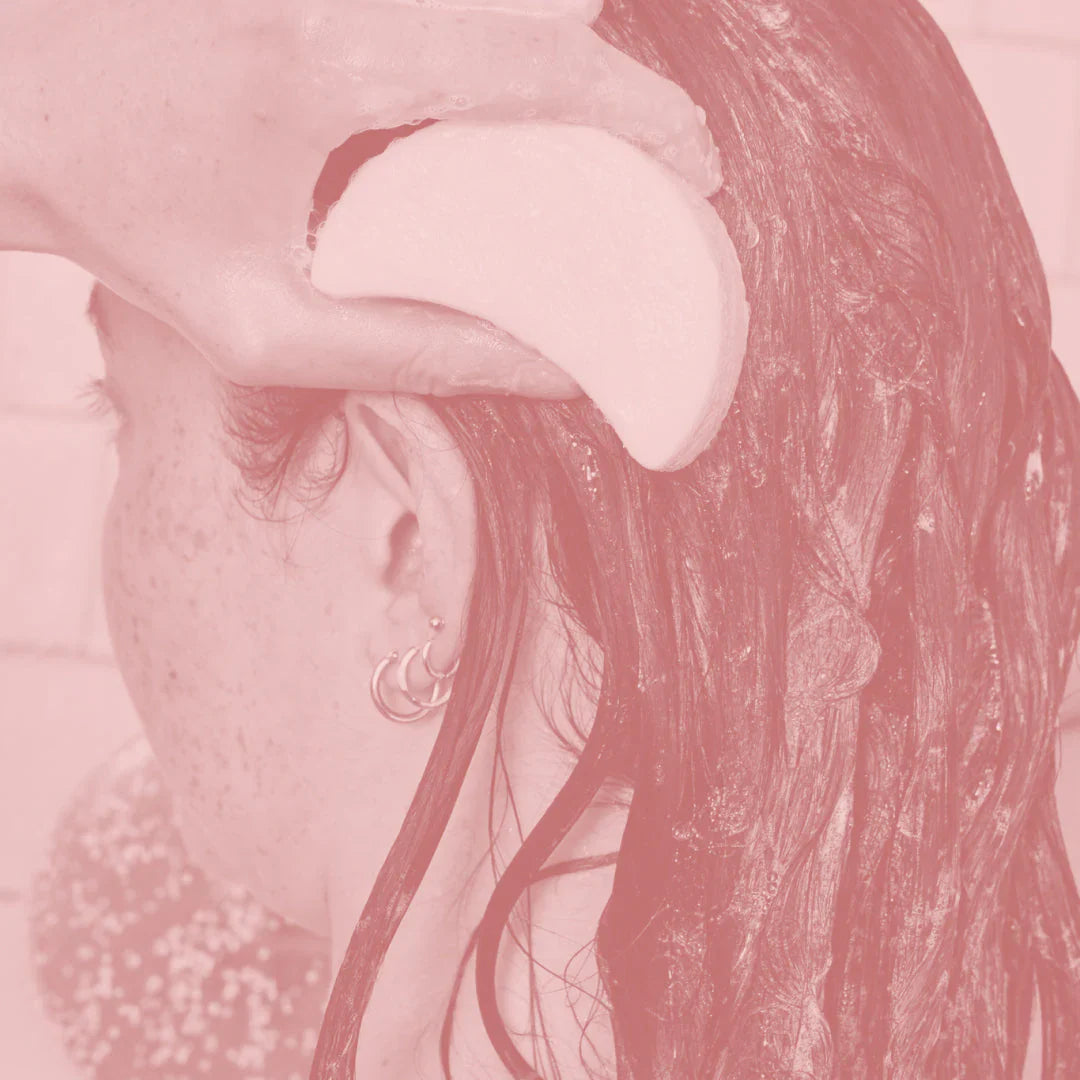
How you apply shampoo matters too. Concentrate it on your scalp and roots - that's where oil and buildup actually sit. Dragging shampoo down the lengths strips moisture from the mid-shaft and ends, and those are the areas most prone to frizz. Conditioner goes the other direction. Mid-lengths to ends. Skip the roots entirely unless your hair is extremely coarse or dry.
Washing frequency plays a bigger role than most people expect. Every day is almost certainly too often for frizz-prone hair types. Every two to three days tends to be a better range, though very dry hair might benefit from even less frequent washing. Your scalp needs some of its natural oils to travel down the hair shaft - that's your built-in smoothing system.
Products that work with the hair cuticle
Choosing the right styling products and wash-day products is where most people see the biggest shift. Frizz-prone hair needs ingredients that coat the hair shaft, seal the cuticle, and hold moisture in place.
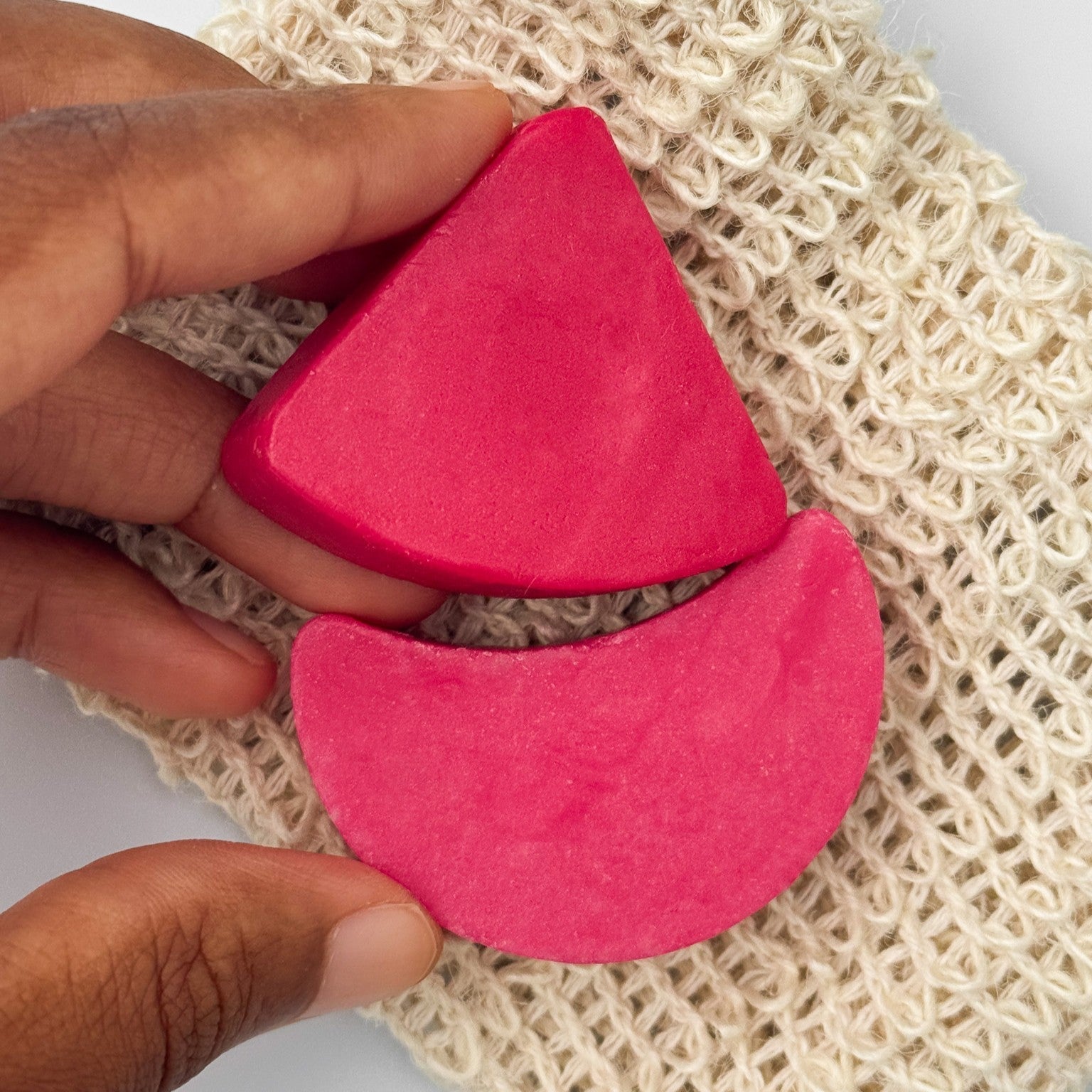
Ethique's SMOOTHING Shampoo Bar and SMOOTHING Conditioner Bar are built specifically for this. The formula uses hemi-squalane (a lightweight plant-derived oil that mimics your hair's natural lipid layer), cocoa seed butter, and coconut oil. Clinical testing shows the duo improves manageability by 8x after just one use when used as a system.* That's not a subtle difference.
*When used as a system (shampoo + conditioner together). Results based on clinical testing.

But frizz doesn't always have the same root cause. If your hair is frizzy because it's genuinely parched - high porosity, colour-treated, or just naturally dry - you may get better results from a hydration-focused approach. Ethique's HYDRATING Duo pairs hyaluronic acid with argan oil and glycerine, increasing hydration by 8x after one use.* Hyaluronic acid is a humectant that pulls water molecules into the hair shaft, which is particularly useful for dry hair that frizzes because it's desperately seeking moisture from the air around it.
*When used as a system. Results based on clinical testing.
And for curly hair specifically? Ethique's CURL-DEFINING range takes a different angle altogether. Shea butter, cocoa seed butter, and glycerine support curl pattern without weighing anything down. The sulfate-free shampoo and silicone-free conditioner improve manageability by 6x and increase shine by 70%.* Worth considering if your frizz is really just your curls asking for more definition.
*Increases shine by 70% when used as a system vs damaged hair. Improves manageability by 6x after one use. Results based on clinical testing.

How you dry your hair changes everything
Rough towel-drying is probably doing more damage than your shampoo. Regular terry cloth towels create friction against wet hair - and wet hair is at its most fragile. The cuticle is swollen, the bonds inside the hair shaft are temporarily weakened. Rubbing a cotton towel over that? Guaranteed frizz.
Two better options. A microfiber towel or an old cotton t-shirt. Both have a smoother surface that absorbs water without roughing up the cuticle. Scrunch gently - don't rub. Squeeze sections between the fabric.
Air drying works well for many hair types, but it isn't always the smoothest option for everyone. Fine hair can go limp. Wavy hair sometimes loses pattern. If you do reach for a dryer, use a diffuser attachment on low heat and low speed. The diffuser distributes airflow so it doesn't blast hair in one concentrated stream (which separates strands and creates - you guessed it - more frizz). Point the nozzle downward along the hair shaft. Always downward.
When and how to detangle
A wide-toothed comb on damp hair. That's the baseline for frizz-prone hair types. Not a fine-toothed comb, not a brush on dry hair, and definitely not yanking through tangles from the top down.
Start at the ends. Work your way up in small sections. This feels slower, but it causes less breakage and doesn't disrupt the cuticle the way aggressive brushing does. If you have curly or coily hair, detangling with conditioner still in (before rinsing) gives you slip and prevents that post-shower puff.
Something people overlook: when you apply leave-in conditioner or styling products matters as much as which ones you choose. Damp hair - not dripping wet, not half-dry. Damp. The cuticle is still slightly open, which lets product absorb properly. Once your hair is fully dry, most products just sit on top.
Protecting hair while you sleep
Eight hours of your head rubbing against a cotton pillowcase. That's a lot of friction. Silk pillowcases or satin pillowcases reduce that friction significantly - the smooth surface lets hair slide over it. You'll notice less frizz and fewer tangles in the morning. Less breakage over time, too.
A satin bonnet or loose silk scarf does the same job, sometimes better. It keeps all your hair contained so there's minimal movement against any surface. For curly hair especially, a pineapple (gathering hair loosely at the top of your head with a silk scrunchie) preserves curl pattern overnight without crushing or flattening.
Environmental factors and heat protection
Humidity is the obvious one. When there's more moisture in the air than inside your hair shaft, your hair absorbs it - unevenly - and the cuticle lifts. Research published in the *International Journal of Cosmetic Science* (Breakspear et al., 2022) found that the cuticle undergoes previously undocumented swelling behaviour at higher humidity levels, which helps explain why frizz escalates dramatically once humidity passes a certain threshold. Anti-humectant products or natural oils like coconut oil can create a barrier that slows that moisture exchange down.
UV exposure is less talked about but still relevant. Sun breaks down the proteins in your hair shaft over time, weakening the cuticle layer. Hats help. So does keeping hair moisturised - damaged hair is dry hair, and dry hair is frizzy hair. The chain reaction is predictable.
If you use heat tools at all - straighteners, curling irons, blow dryers without a diffuser - a heat protectant is non-negotiable. Heat above 150°C (about 300°F) damages the protein structure of hair permanently. A heat protectant won't make heat styling risk-free, but it raises the temperature threshold before damage occurs.
Deep conditioning and weekly treatments
A good deep conditioning treatment once a week can make a noticeable difference within a few uses. Especially for damaged hair or hair that's been colour-treated. The idea is sustained contact time - longer than a regular conditioner gives you - so ingredients can penetrate the hair shaft more thoroughly.
You don't need a dedicated hair mask every time, either. Applying your regular conditioner and leaving it on for five to ten minutes under a warm towel achieves something similar. The warmth opens the cuticle slightly, allowing more of the conditioning ingredients to absorb. This is a good approach for fine hair that doesn't tolerate heavy masks well.
For hair that needs more intensive care, look for formulas with natural oils - argan, coconut, or shea-based products tend to perform well for frizz-prone hair. The SMOOTHING Conditioner Bar from Ethique works as a deeper treatment too. Leave it on a few extra minutes. The cocoa seed butter and coconut oil do heavier lifting when given more time.
Building a frizz-free hair care routine
Pulling all of this together into a routine doesn't need to be complicated. A rough framework:
-
Wash two to three times per week with lukewarm water. Shampoo at the roots, conditioner at the ends.
-
Squeeze out excess water with a microfiber towel or t-shirt. No rubbing.
-
Apply styling products or leave-in conditioner to damp hair. Wide-toothed comb to distribute evenly.
-
Air dry or diffuse on low heat. Avoid touching your hair while it dries (every touch creates frizz).
-
Sleep on silk or satin. Bonnet, pillowcase, or loose pineapple.
-
Deep condition once a week.
That's six steps. Adapt them to your hair texture and schedule. Someone with fine hair might skip the deep conditioning some weeks and focus more on lightweight leave-in products. Someone with coily hair might co-wash between shampoo days and use the CURL-DEFINING range for better definition. There's no single routine that works for every hair type - but the principles stay the same.
What about quick solutions?
Not everything requires a routine overhaul. Sometimes your hair is frizzing right now and you need to deal with it in the next few minutes.
A tiny amount of natural oil - coconut, argan, jojoba - smoothed over flyaways with your palms works surprisingly well. A study in the *Journal of Cosmetic Science* (Keis et al., 2007) found that oil films on hair significantly reduce moisture vapour absorption - which is exactly the mechanism behind humidity-driven frizz. Emphasis on tiny. Too much and you're greasy; too little and nothing happens. Start with a drop or two, rub between your palms, press (don't drag) over the areas where frizz is worst.
FAQ
Can you permanently get rid of frizzy hair?
No. Frizz is a response to moisture, environment, and your hair's structure - not a condition you eliminate once. You manage it with the right products, techniques, and habits. Some hair textures will always be more frizz-prone than others, and that's completely normal.
Does hair porosity affect frizz?
Significantly. High porosity hair (often from heat or colour damage) absorbs and loses moisture quickly, which makes it reactive to humidity. Low porosity hair resists moisture, so products can sit on the surface and create a different kind of frizz - puffiness without hydration. Understanding your hair porosity helps you pick the right approach. High porosity hair often does better with heavier sealants. Low porosity responds to lighter, water-based products applied to warm, damp hair.
Is frizz the same as damage?
Not always. Damaged hair is almost always frizzy, but frizzy hair isn't necessarily damaged. Curly and wavy hair types have natural frizz tendencies because of their shape - the cuticle doesn't lie flat as easily as it does on straight hair. That's structure, not damage.
Do silk pillowcases really help with frizz?
They reduce friction. Whether that translates to noticeably less frizz depends on how much of your frizz is friction-related versus moisture-related. For most people, though - yes, worth trying.
Making it work for your hair
Frizz responds to consistency more than any single product or trick. The shower-to-sleep approach covered here - gentler washing, the right formulas, careful drying, overnight protection - works because it addresses the hair cuticle at every stage. Not just one moment in your routine.
If you're not sure whether your frizz is a moisture problem, a damage problem, or just your hair being its natural self, start with our guide on why your hair is frizzy. Understanding the cause points you toward the right solution.
And if you want to start somewhere simple - the SMOOTHING duo plus a silk pillowcase. Two changes. See what happens.
Sources
Breakspear S, Ivanov DA, Noecker B, Popescu C, Rosenthal M. "Cuticle - Designed by Nature for the Sake of the Hair." International Journal of Cosmetic Science. 2022. https://pubmed.ncbi.nlm.nih.gov/35478184/
Keis K, Huemmer CL, Kamath YK. "Effect of Oil Films on Moisture Vapor Absorption on Human Hair." Journal of Cosmetic Science. 2007. https://pubmed.ncbi.nlm.nih.gov/17520153/